
Together, we can make a difference.
From the beginning, the Morrill Lectures have had two goals that can be at odds: “Grow knowledge and critical thinking around important topics” and “Share a spirit of optimism and hope – that we can all make a difference in our communities.”
Important topics are complicated, and sometimes, the deeper we delve, the darker it gets.
This season, we are exploring how to stay optimistic and engaged while we learn more about difficult topics. We feature experts who will talk about some of the big issues facing our country – health care, poverty, food systems, immigration. At each of our events this year, we will also feature one or more groups working to make a difference that could use your help. Learn more about our theme….
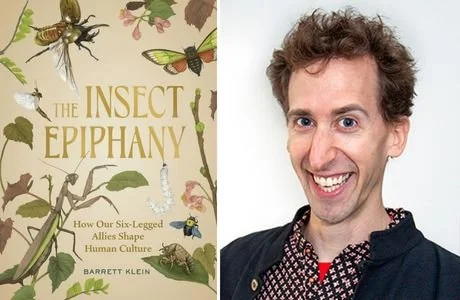

The Insect Epiphany: How Our Six-Legged Allies Shape Human Culture
October 17, 1:00 p.m.
Spring Green Community Library, 230 E Monroe Street
A Wisconsin Science Festival Event in partnership with the Spring Green Community Library
Barrett Klein, University of Wisconsin – La Crosse professor and author of The Insect Epiphany (Winner of Wisconsin Library Association 2025 Outstanding Achievement Award – Honored Nonfiction Title), will share his knowledge and passion with us at this event.
Insects surround us. They fuel life on Earth through their roles as pollinators, predators, and prey, but rarely do we consider the outsized influence they have had on our culture and civilization. Their anatomy and habits inform how we live, work, create art, and innovate —from ancient etchings to avant-garde art, from bug-based meals to haute couture—The Insect Epiphany proves that our world would look very different without insects, not just because they are crucial to our ecosystems, but because they have shaped and inspired so many aspects of what makes us human.
This event is free and unticketed. Dessert and conversation to follow the presentation.
A community-wide book discussion of Into the Beautiful North
Online book discussion: October 28, 6:00 pm -7:00 pm
In-person book discussion: November 5, 5:00 pm-6:00 pm
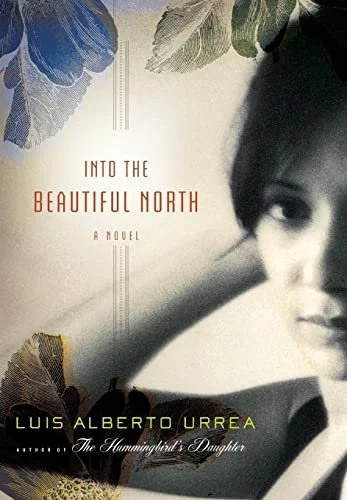
Join us for a discussion of Into the Beautiful North by Luis Alberto Urrea.
This powerful novel from a bestselling and Pulitzer Prize winning author tells the story of a young woman's journey—both emotionally and physically—as she travels north to America.
Nineteen-year-old Nayeli works at a taco shop in her Mexican village and dreams about her father, who journeyed to the US to find work. Recently, it has dawned on her that he isn't the only man who has left town. In fact, there are almost no men in the village -- they've all gone north. While watching The Magnificent Seven, Nayeli decides to go north herself and recruit seven men -- her own "Siete Magnificos" -- to repopulate her hometown and protect it from the bandidos who plan on taking it over. Filled with unforgettable characters and prose as radiant as the Sinaloan sun, Into the Beautiful North is the story of an irresistible young woman's quest to find herself on both sides of the fence.
Share your ideas about what makes a community thrive, what you thought about the book, … and/or what youth, seniors, and everyone in between contribute in your community to make it what it is today. People of any age throughout the River Valley (and beyond!) are encouraged to participate. We encourage you to read at least some of the book in advance.
Copies of the book are available from:
Spring Green Community Library
Arcadia Books
Discussions will be held:
Online: Hosted by Nancy Baenen of Arcadia Books, this discussion takes place from 6:00 pm -7:00 pm on October 28. Go to Arcadia Events for more information and to register.
In person: Hosted by Emily Whitmore of the Spring Green Community Library, this discussion takes place from 5:00 pm to 6:00 pm on November 5 at the Spring Green Community Library,
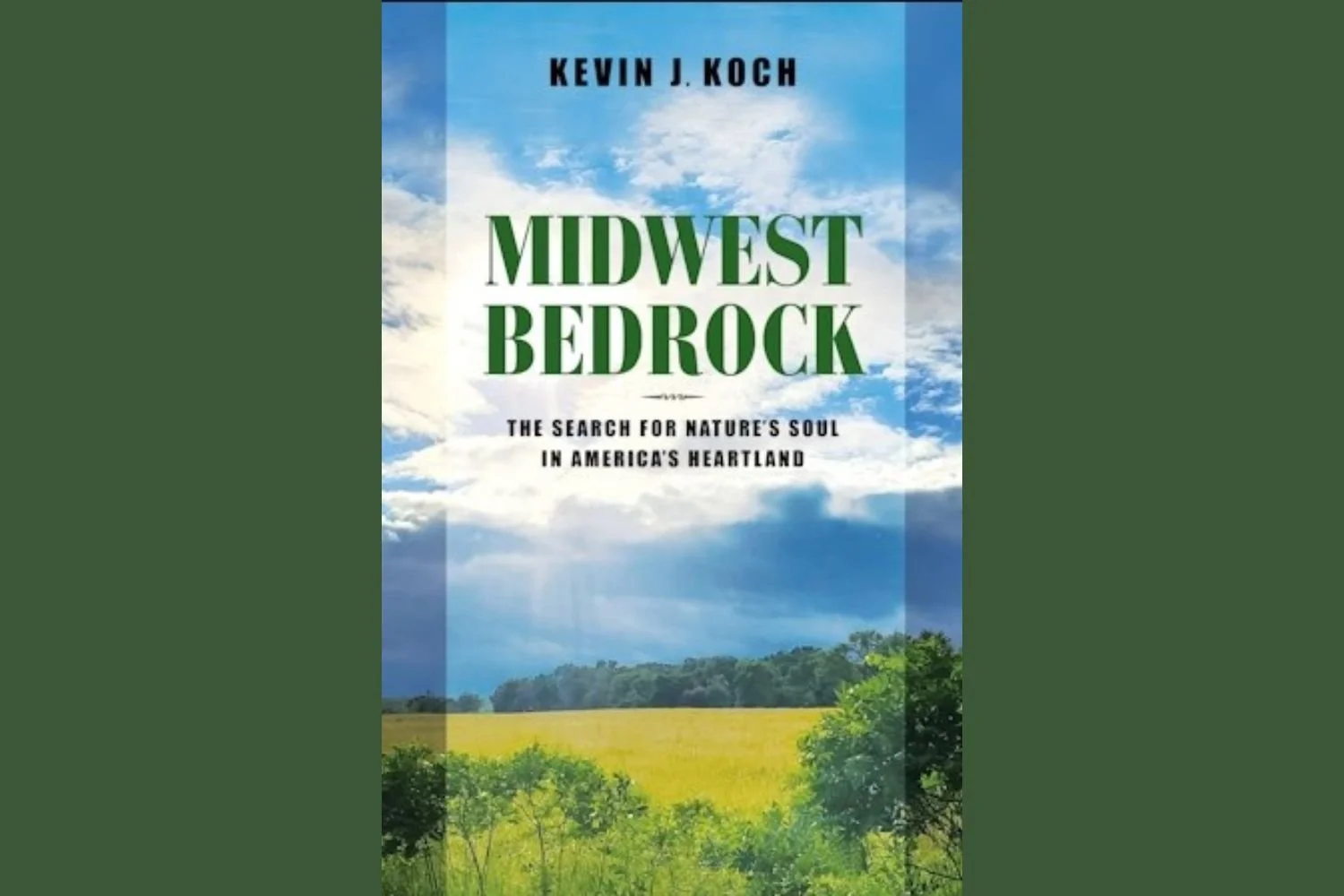
Midwest Bedrock: The Search for Nature’s Soul in America’s Heartland
Author Kevin Koch took participants on a photo-journey across twelve Midwestern states to out-of-the-way nature and outdoor-cultural sites defying the usual stereotypes of Midwest landscape.
This event was part of the Wisconsin Science Festival.
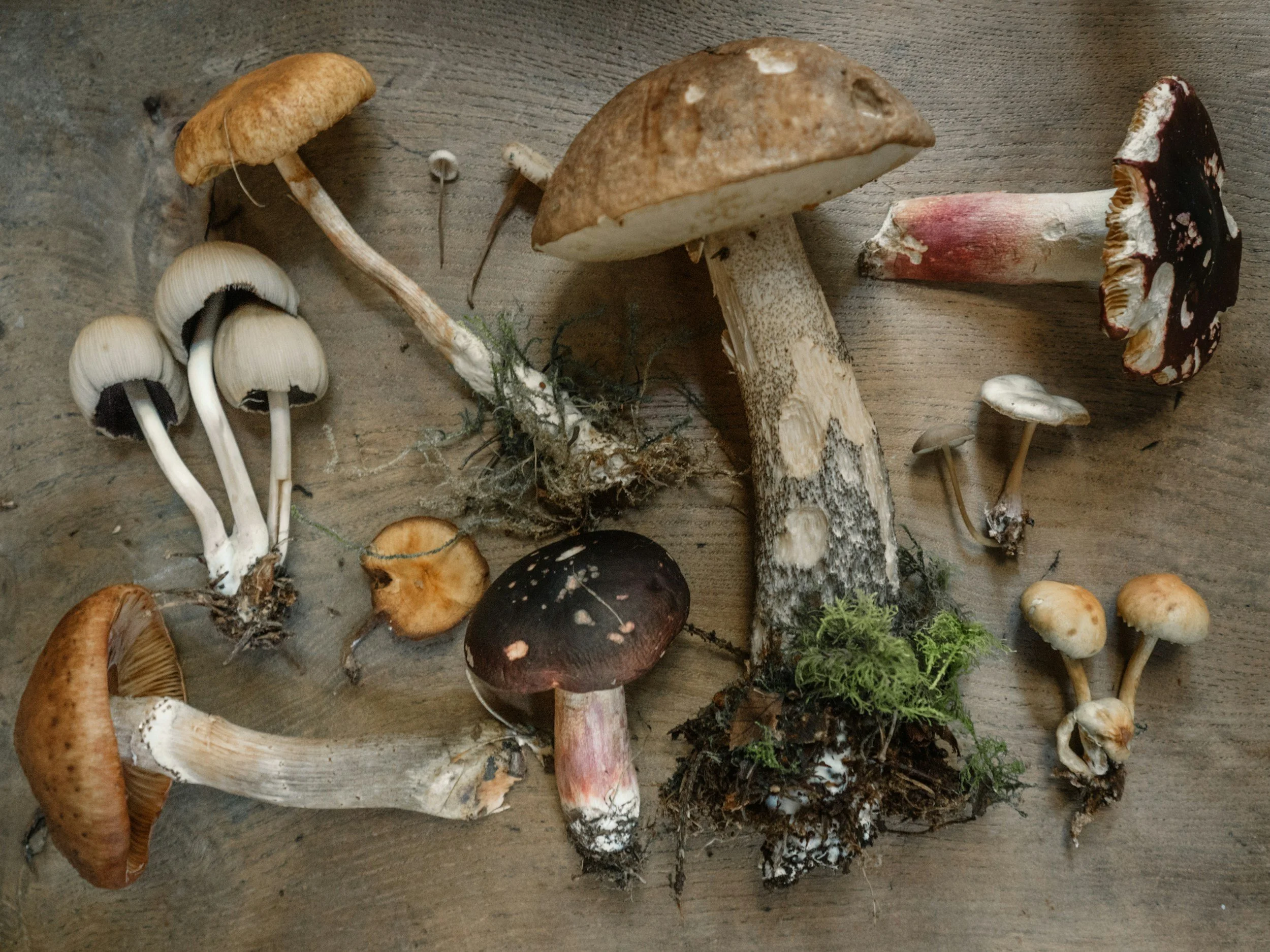
An Evening Celebrating Fungi
On September 9th, we gathered in the barn for the last time in the 2025 season and concluded our exploration of fungi with an engaging panel of mycologists.
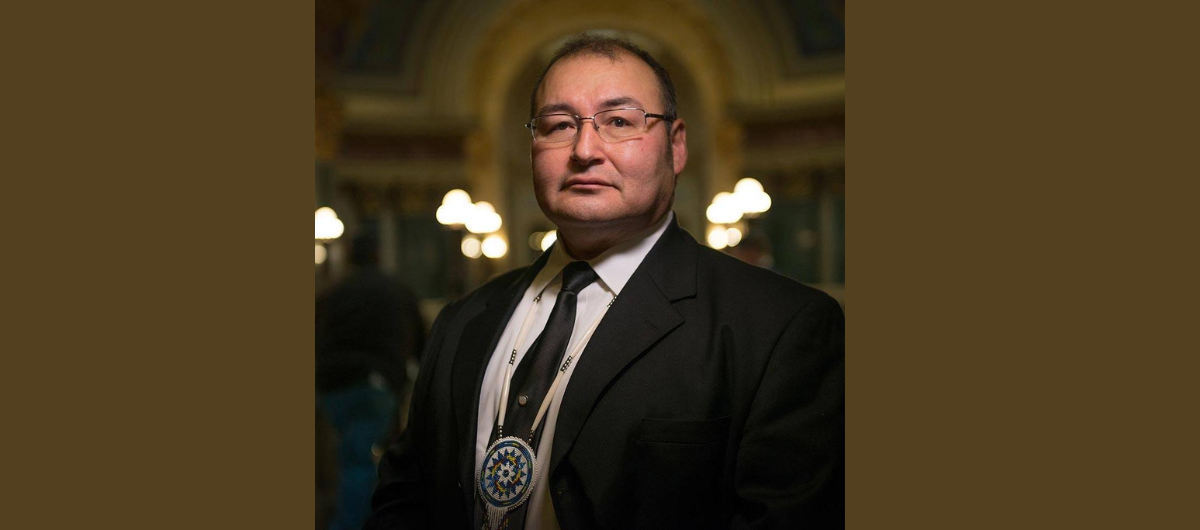
Wisconsin’s Dugout Canoe Conundrum – What Lays Below The Surface
Bill Quackenbush, Tribal Historic Preservation Officer, Ho-Chunk Nation
In 2019 a native american dugout canoe was discovered by divers in Lake Mendota that when later recovered in 2020, brought to the surface with it questions that many found difficult to answer or even comprehend in relation to Wisconsin’s history. Questions such as how “ancient” it was scientifically dated to be, who actually made such a vessel, and how did it survive the many years submerged under water only to be discovered now. These and many other questions are now being asked as additional dugouts continue to be discovered along the shoreline of what is known to the Ho-Chunk People as Tee Waksik Hominakaja - Lake Where He Lays.”
Bill “Naawacekgize” Quackenbush, Tribal Historic Preservation Officer for the Ho-Chunk Nation, sharesd his perspectives on the collaboration and partnership work that is currently taking place between the Wisconsin State Historical Society and regional tribes in their pursuit to answer the lingering questions the discovery of the Lake Mendota dugouts have created over the past three years.
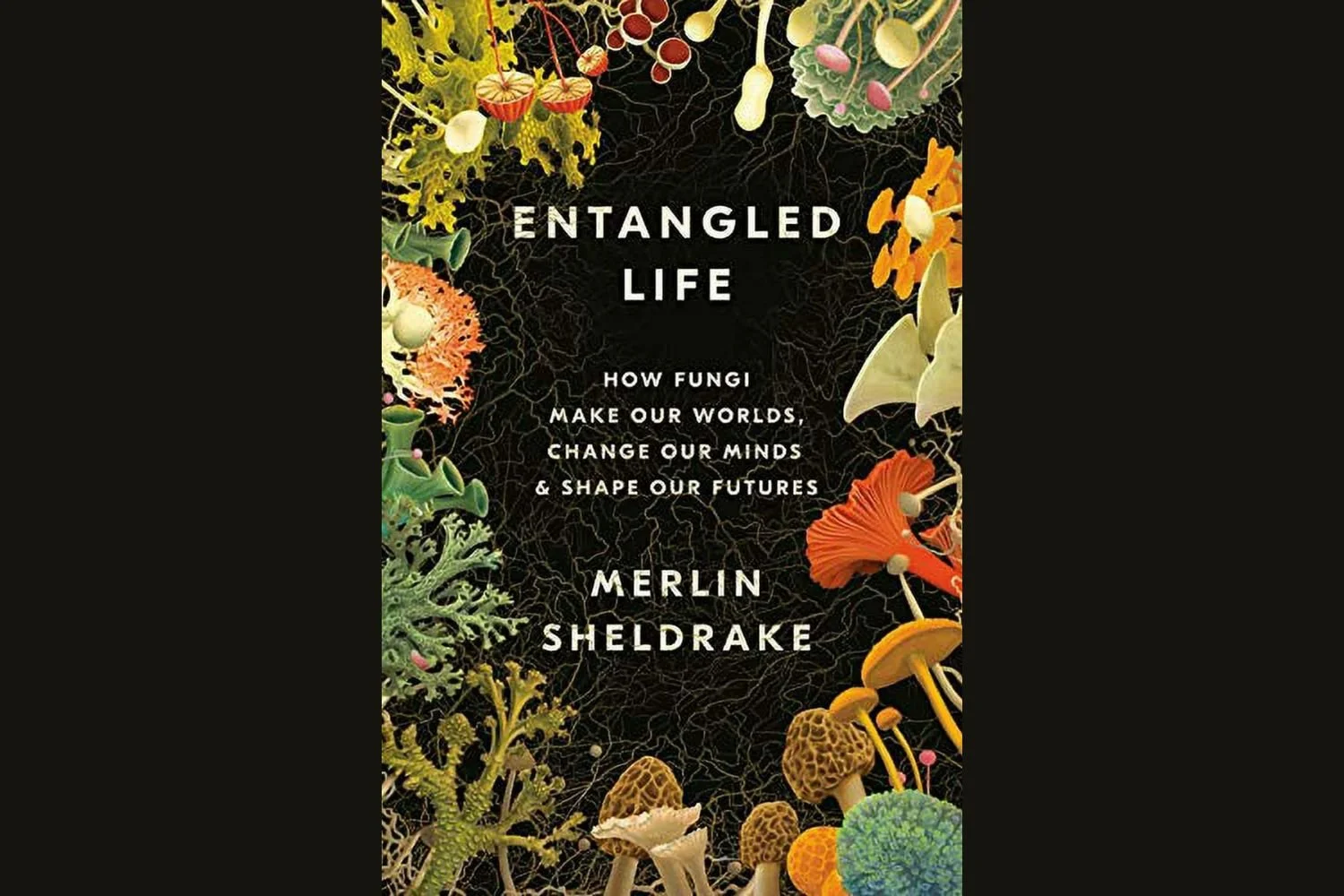
Book Discussion at The Shed: Entangled Life
Emily Whitmore, Spring Green Community Library, hosted this casual and lively discussion of Entangled Life: How Fungi Make Our Worlds at The Shed, 123 N Lexington St, Spring Green, WI 53588
This award-winning and bestselling book is an exploration of this astonishing kingdom of life. It reveals how fungi — and our relationships with them — are changing our understanding of how the world works. Bringing to light science’s latest discoveries, Merlin points us toward the fundamental questions that fungi provoke about the nature of life, intelligence, and identity.
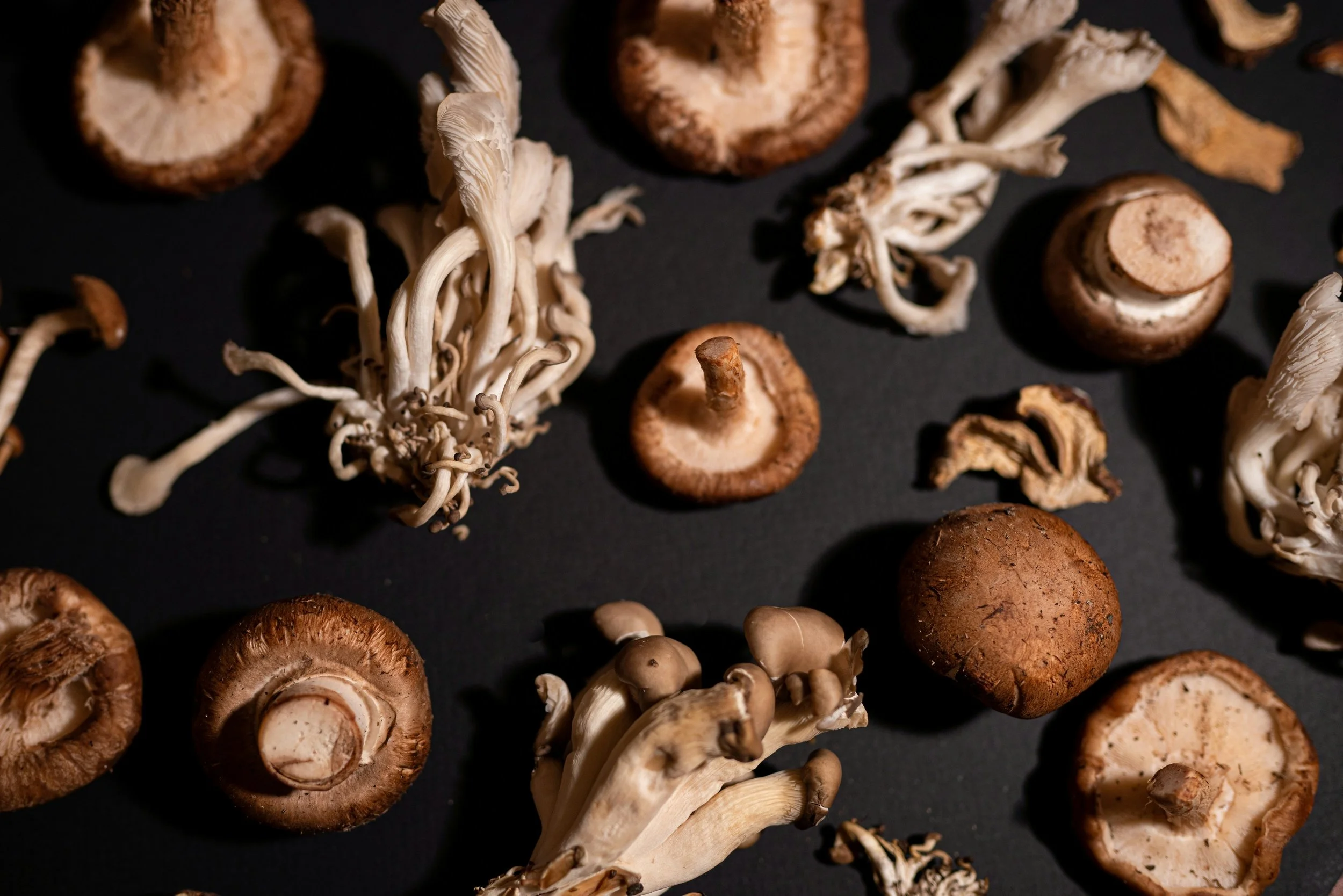
Mushroom Dinner, presented by Savor the River Valley and the Savanna Institute
This event is sold out!

Film Screening -- Fungi: Web of Life
All life on Earth is connected by a great mystery we are only just beginning to unravel. Hidden between the world of plants and animals, another world exists…Fungi: Web of Life. We’ll begin in the mysterious world of the forest floor, where fungi are the central players in nature’s story of birth, death, and rebirth to discover that life as we know it simply would not exist without them.
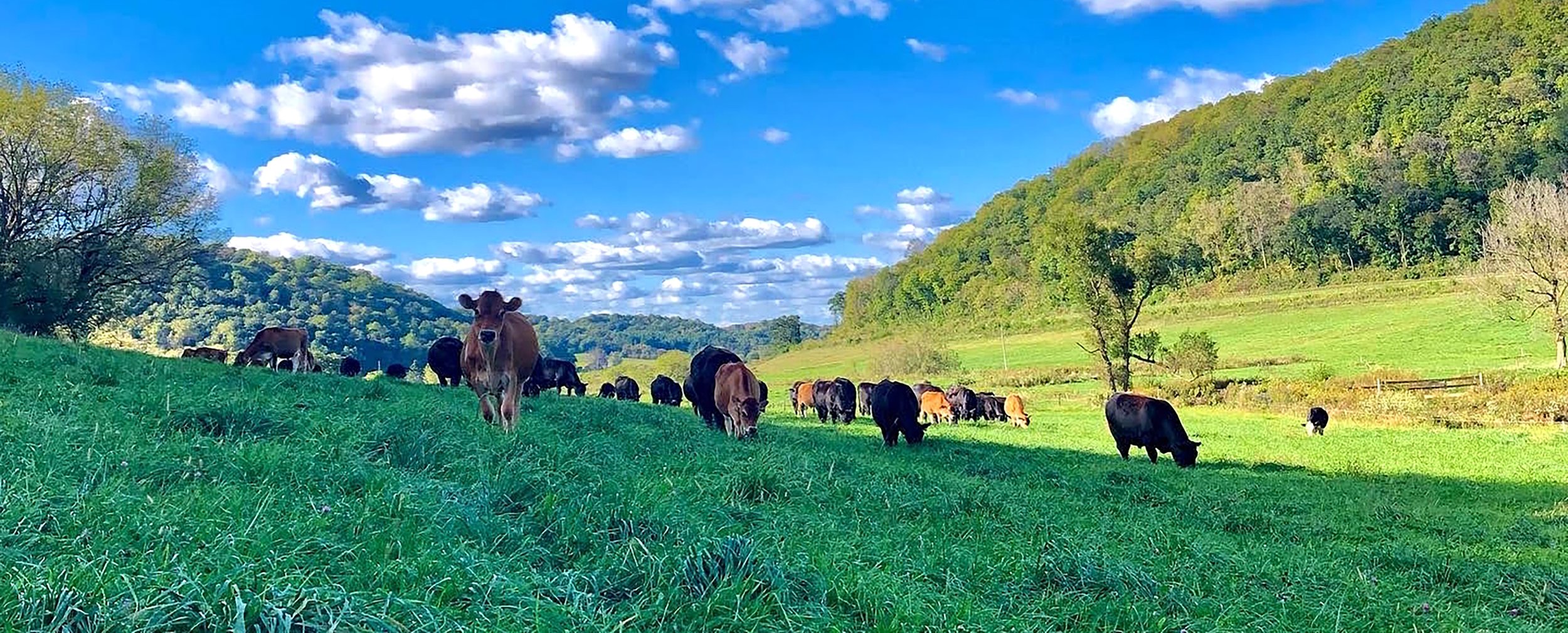
Thriving Land: Farming while embracing a land ethic
Join us for an evening with a panel of Wisconsin farmers who will share their unique stewardship approaches to agriculture, embracing the Leopold notion of a "land ethic": personal responsibility for the conservation of the soil and water, the land-- and gratitude for its gifts.
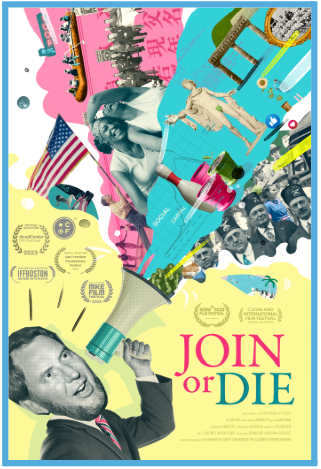
Film Screening: Join or Die
We help to write the stories of our communities by our participation — our willingness to contribute to make our communities what we want them to be.
Join or Die is a film about why you should join a club—and why the fate of America depends on it. Follow the story of America's civic unraveling through the journey of Robert Putnam, whose legendary "Bowling Alone" research into American community decline may hold the answers to our democracy's present crisis.

Sharing Stories and Building Community in the Local Food System
A Wisconsin Science Festival Event
In this event, we’ll explore the Wisconsin Science Festival theme of agriculture by examining the impact of telling the story of our local food producers on our food systems.
We’re told that sharing stories helps connect us, but is there any science behind that? In fact, there is! In honor of the Wisconsin Science Festival and its focus on agriculture this year, we’ll introduce you to Jules Reynolds. Jules’ 2024 dissertation is the result of a 4-year collaboration with local producers and Brix Cider, known as the Brix Project, exploring how telling the stories of local food producers impacts food systems….. Several Savor the River Valley members participated in the project. They’ll join us, too, to share their thoughts and stories.

Sharing stories around the table
As we wind down the 2024 season, we will gather to share food and stories informally and to connect with our neighbors around the table.
Everyone has a story to tell. Whether you spend hours refining each word or are simply prompted on a whim to share a particular snippet of your life, we value your unique experiences and want to hear from you. Join us on September 23 to hear stories across the table, across generations, across fence lines, and across time. Plan to sit next to someone you’ve never met, share a short story (written or from memory), and be ready to listen with an open heart.
Dinner (grain bowls) will be provided. Please RSVP by September 17th. — RSVP form

An Arcadia Event: Brian Reisinger in conversation with Daniel Smith
Please join our friends at Arcadia Books for an important and enlightening conversation about the state of farming in today's world. Brian Reisinger (Land Rich, Cash Poor: My Family's Hope and the Untold History of the Disappearing American Farmer) and Daniel Smith (Ancestral and Poems from the Winter House) will discuss their shared experience of growing up on multi-generational farms and their current work with bringing awareness to the challenges facing the farming industry today.

Sarah Smarsh: Beyond the Divide
We are absolutely thrilled to welcome Sarah Smarsh on August 20th.
Sarah has long written about the dangers of simplistic political and cultural narratives, especially about rural America and the people who live there. This election season, she invites us to transcend fear-based postures and polarizing frameworks even as we insist on a more just society.
Sarah Smarsh is a journalist who has reported for the New York Times, Harper’s, the Guardian, and many other publications. A former English professor and grant-writer for social service agencies, Sarah aims for all her work to have a backbone of civic responsibility.
Her first book, Heartland: A Memoir of Working Hard and Being Broke in the Richest Country on Earth, was an instant New York Times bestseller, a finalist for the National Book Award and the Kirkus Prize, the winner of the Chicago Tribune Literary Prize, and a best-books-of-the-year selection by President Barack Obama. Her 2020 book She Come By It Natural: Dolly Parton and the Women Who Lived Her Songs was a finalist for the National Book Critics Circle Award and was named a must-read book by TIME Magazine. Sarah’s next book, Bone of the Bone: Essays on America from a Daughter of the Working Class, 2012-2024, will be published by Scribner in 2024.
If you’d like dinner before the event, Chef’s Hideout will be at the Octagon Barn beginning at 5:30. View the event for more information.

We are the River Valley: An Evening of Storytelling
Join us for a powerful evening of storytelling where your friends and neighbors (and maybe even you!) share what it means to be part of the River Valley. This event will invite storytellers from all walks of life to share their personal tales in an intimate and welcoming setting. Whether it's a hilarious anecdote, a heartwarming memory, or a tale of personal triumph, "We are the River Valley" celebrates the power of spoken word and our shared experience of living in this part of the world.
Want to tell your story? We’re looking for 6-8 storytellers to share a story of up to 10 minutes during the event. Let us know if you’d like to share your story! Get ready to tell your story!We want everyone to have the skills to tell their story whether it is on our stage or not so please come to this free workshop even if you won't be getting up on stage
June 25th, 5:30-7, Spring Green Community Library

Susan Apps Bodilly
Telling our Stories through Food
Our family recipes tell a powerful story about who we are and the history of our families and communities.
Author Susan Apps-Bodilly, daughter of storyteller Jerry Apps, will highlight the food made by his mother, Eleanor, and feature recipes found in her well-worn recipe box. The recipes take us on a culinary tour of life on the farm during the Depression and World War II. Seasoned with personal stories, menus, and family photos, Old Farm Country Cookbook recalls when electricity had not yet reached the farm.
Join us for a community potluck before the event beginning at 5:30! Bring your family recipes and stories to share.